
In the Kerio Valley, a women-led organisation working on turning the priorities of Indigenous women in the community into real action. Based in Kenya, Keiyo Women Trust (KWT) was formally registered in 2022. Since then, their work has grown to cover education, sexual and reproductive health and climate justice, reaching girls and women in rural communities across the Kerio Valley triangle.
“We began by giving women a platform so that they can give their voices to influence decisions that affect their lives,” says Hellen Chebet, Senior Programmes Officer at KWT. “Ever since, we have kept going because we believe in giving women a chance and listening to them.”
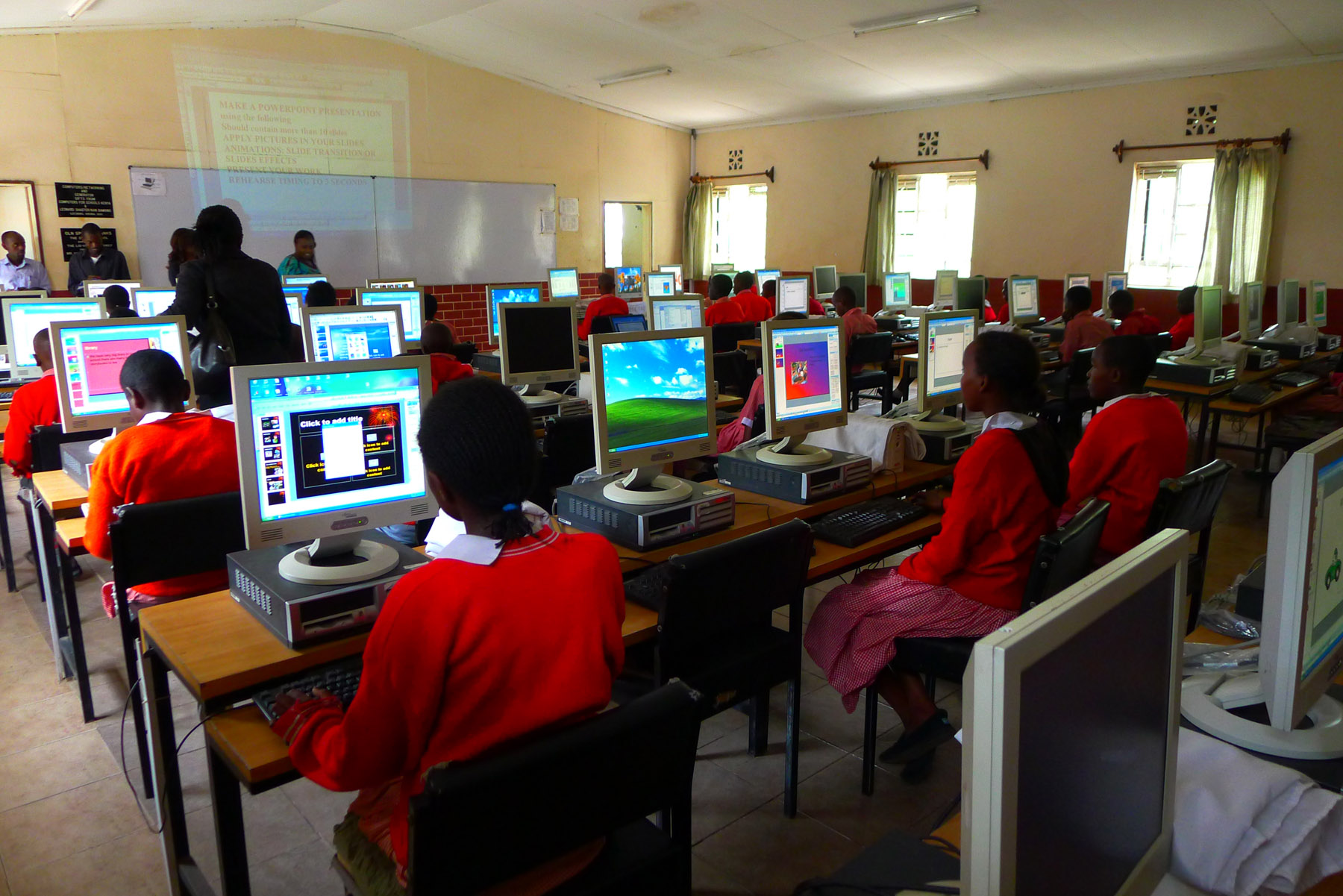
When KWT heard that young girls in the area wanted to continue learning but lacked access to technology and guidance, they responded with mentorship, education support and digital literacy training. KWT has trained about 500 girls in basic and advanced digital skills through its Rural Gems programme, an information and communications technology (ICT) learning centre.
“Our goal is very simple: To give the young woman a chance to get opportunities online, to use technology safely to advance themselves and also to gain confidence, knowing that their views can influence decisions that eventually affect their lives,” says Chebet.
The results reach beyond the classroom. KWT has distributed about 200 cookstoves through Deutsche Gesellschaft für Internationale Zusammenarbeit (GIZ), trained more than 50 peace ambassadors and offers about 20 scholarships per term to vulnerable girls through a university partnership. Communities are also taking more charge of climate action, from reforestation to running a tree nursery.
The work is not without its challenges. Power cuts and weak internet are frequent, training needs visual aids and local language to include everyone, and funding is tight. The team adapts by staying flexible and partnering with other organisations.

“Sometimes we have to take longer than the stated time just to make sure that we have achieved the goal,” says Chebet.
More recently, KWT joined the Digital Democracy Innovation in Sub-Saharan Africa (DDISA) Fund programme as a Cohort 1 grantee organisation.
“We were interested because it connected with our goals to help communities, especially the Indigenous women,” she says.
…it connected with our goals to help communities, especially the Indigenous women.
With DDISA support, KWT distributed a community survey in Elgeyo-Marakwet, then collected, cleaned and analysed the data. The team is now drafting a citizen manifesto that sets out community concerns, to be presented to county and sub-county authorities.
Through their civic engagement work, the organisation has helped women speak out and take a bigger part in public forums like barazas. Chebet says the next step is to empower them further and make sure the priorities presented to the government are followed through, with women staying active in civic processes.
The team also wants to take its digital work further. Digital literacy and empowerment have improved in Keiyo South, where KWT set up its ICT hub. The hope is to replicate that so more of the Kerio Valley benefits from a similar centre. For Chebet, the aim is for young women to feel they have a real choice, to continue their education and to choose a livelihood.