
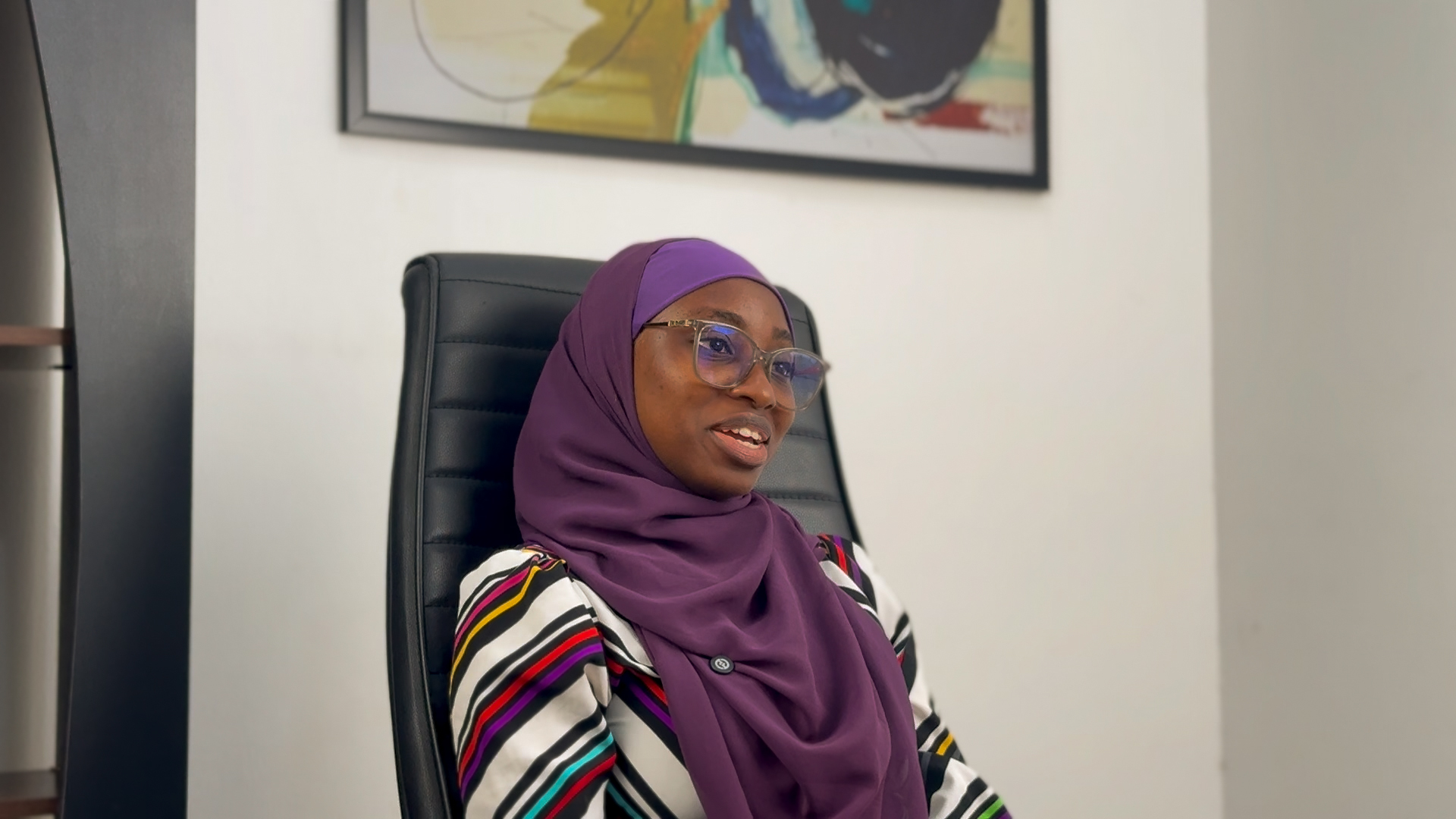
When someone is being bullied or harassed online, knowing what to do can be difficult. Should they block the person, report the abuse or keep the messages as evidence? And if they do keep the messages, where should they take that evidence? These are questions many victims of technology-facilitated gender-based violence (TFGBV) are left to figure out on their own, not knowing whether speaking out could expose them to further harm or leave them facing blame instead of support.
Brain Builders Youth Development Initiative (BBYDI), a women and youth-led organisation in Nigeria, has responded to this issue by taking conversations about online safety and AI literacy directly to young people. Through their Digital Rights and Online Safety Fellowship, BBYDI has reached more than 11,000 students in 46 secondary schools across Kwara State.
“We recognise that many young people have ideas about how to improve their communities, but they don’t always have access to the information, resources or platforms they need to make their voices heard,” says Ahmed Adebowale, who leads community engagement at BBYDI.
Adebowale says although social media gives people a way to learn, share ideas and stay connected, those same platforms can also become places where people experience threats such as harassment, hate speech and the non-consensual sharing of intimate images. Through their Her Safe Space initiative and KEMI, an AI-powered WhatsApp chatbot, BBYDI have been working to support women and girls facing these forms of abuse.
With support from the Digital Democracy Innovation in Sub-Saharan Africa (DDISA) Fund, they developed the chatbot as a way to make guidance and support instantly accessible to victims of TFGBV, as well as to people who want to learn how to better support victims. Through a simple message, users can access information on understanding what is happening to them, how to protect themselves, document the abuse and to find ways to report it or access support.
BBYDI has brought together more than 30 stakeholders, including women’s rights advocates and digital safety practitioners, to test the chatbot and share their experiences. Their feedback helped identify areas that needed improvement, including making it easier to switch between languages and improving voice recognition for local Nigerian languages.
“We are developing a tool that should be useful to people with different levels of digital literacy, different language preferences and different experiences of online abuse,” says Hanifat Balogun, who leads BBYDI’s work on TFGBV. “Someone seeking help should be able to use the tool without unnecessary difficulties.”
We are developing a tool that should be useful to people with different levels of digital literacy, different language preferences and different experiences of online abuse.
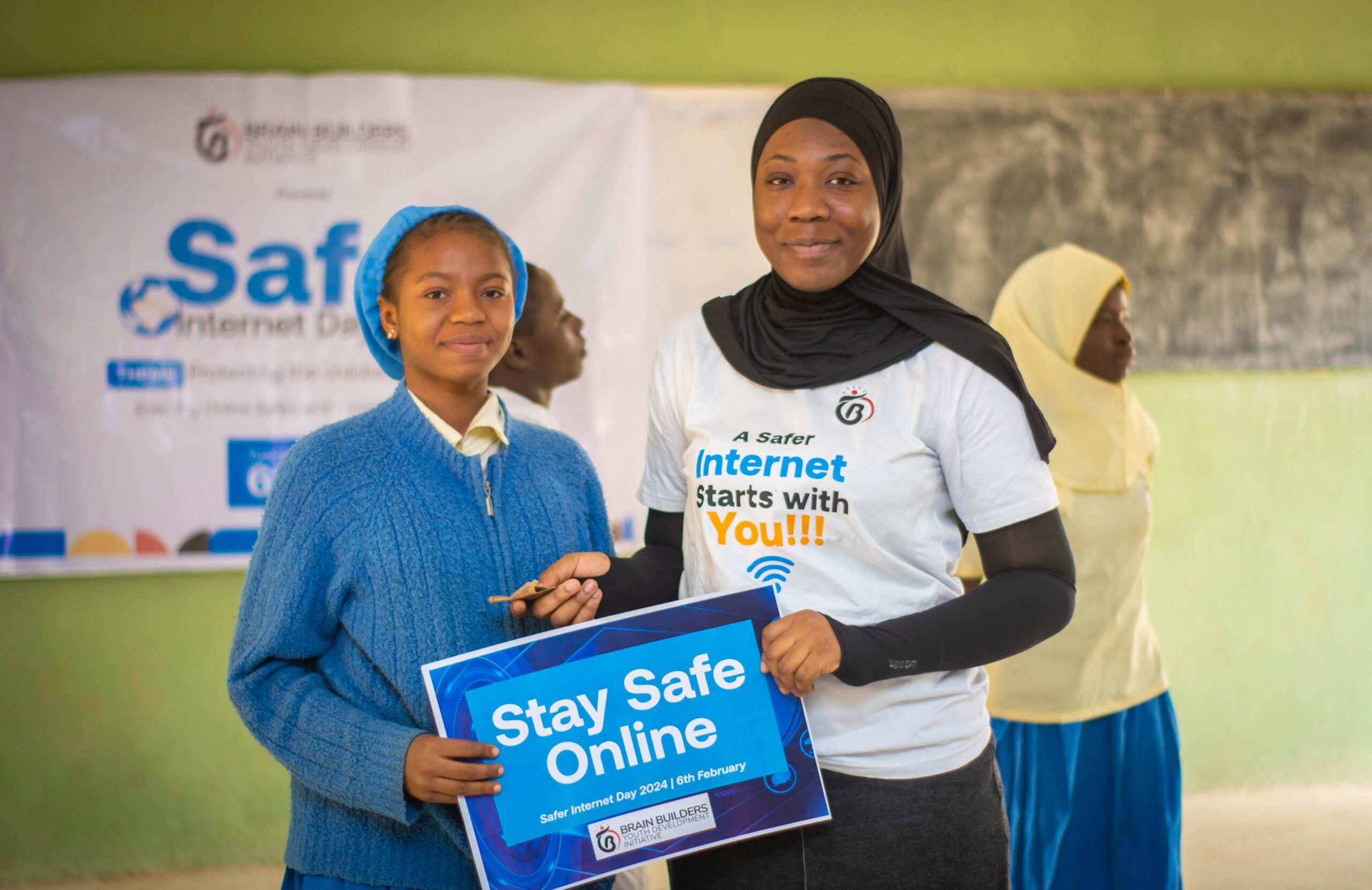
BBYDI is a member of the first cohort of the DDISA Fund programme, and has received financial support to improve and develop Kemi, as well as opportunities to exchange ideas with other local organisations and strengthen their approach to the work.
“As a youth-led organisation, we are constantly learning,” says Balogun. “We are constantly building partnerships and constantly looking for ways to make our work more sustainable. That is one reason that the support that we receive from organisations like DDISA matters a lot to us.”
BBYDI’s long-term ambition is to see communities where young people have a meaningful say in decisions that affect their lives, where women and girls can express themselves without fear of abuse, and where technology creates opportunities rather than new barriers. Achieving this will also mean finding ways to sustain the work beyond individual projects, so that the support and knowledge built along the way can continue to make a difference.