
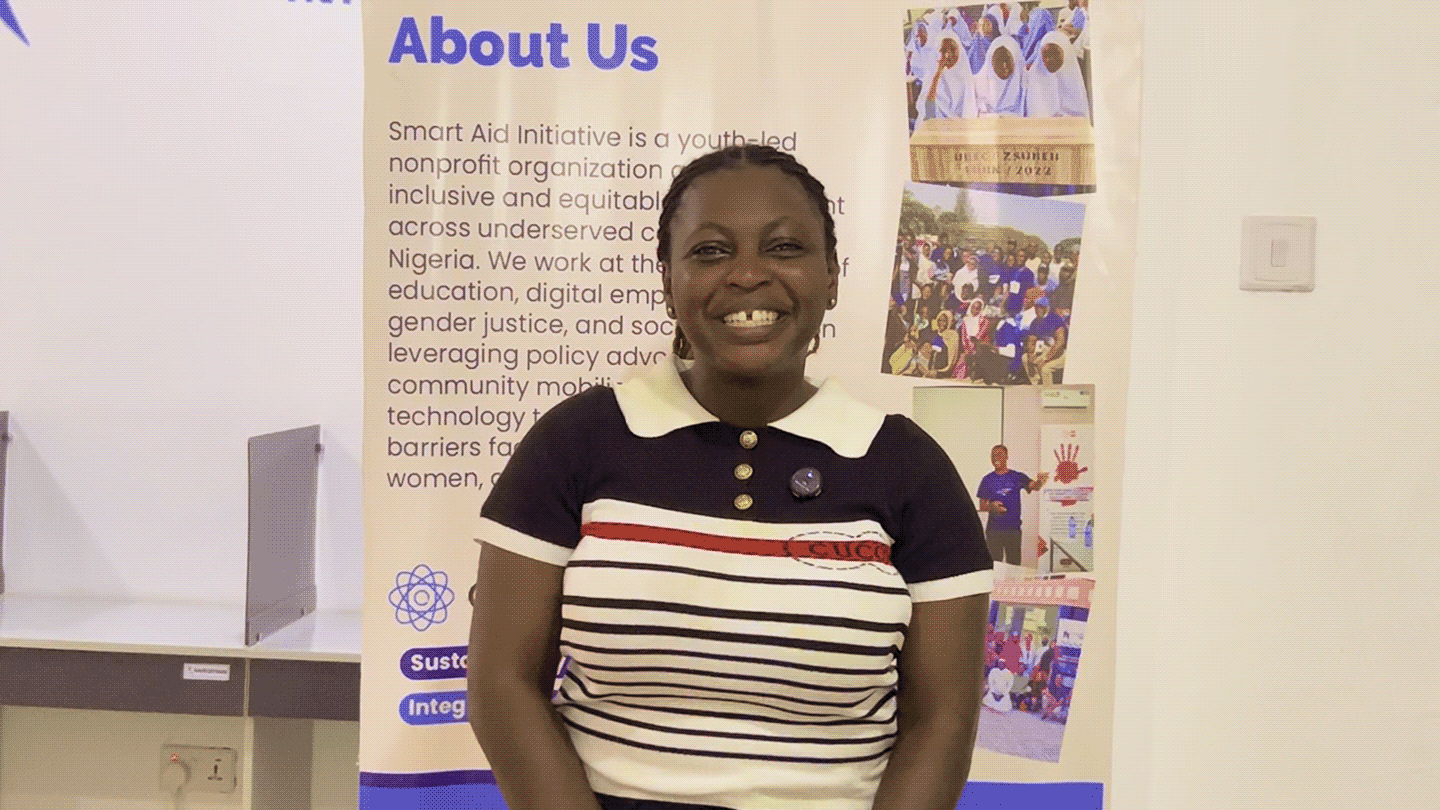
Recent Nigerian household survey data revealed that multidimensional poverty index scores were highest amongst rural and northern regions of the country, citing a need for improved access to education, economic opportunities and upgraded infrastructure. Established in 2017 and primarily active in Northern Nigeria, Smart Aid Initiative (SAI) is largely concerned with that very premise: Expanding access.
“Access to education is connected to access to information,” says Florence Yidma Hosea, Gender and Safeguarding Lead at SAI. “Access to information is connected to access to digital skills. And digital access is connected to whether people can safely express themselves, participate in civic spaces, access opportunities and make their voices heard.”
SAI is a youth-led civil society organisation, particularly focused on issues affecting underserved communities, including young people, women and persons with disabilities. Throughout their active years, SAI has worked closely with communities to provide capacity-building opportunities that aim to further inclusive education, digital skills, gender justice and civic participation.
“While Smart Aid began with a strong focus on education and community development, our work has evolved to respond to the challenges these communities face in reality,” says Hosea.
More recently, SAI has been running the Women at the Front of Digital Space fellowship, with support from the Digital Democracy Innovation in Sub-Saharan Africa (DDISA) Fund. The fellowship encompasses a six-week learning journey for 20 young women in Kaduna State, featuring an in-person bootcamp, virtual learning, peer engagement and mentorship.
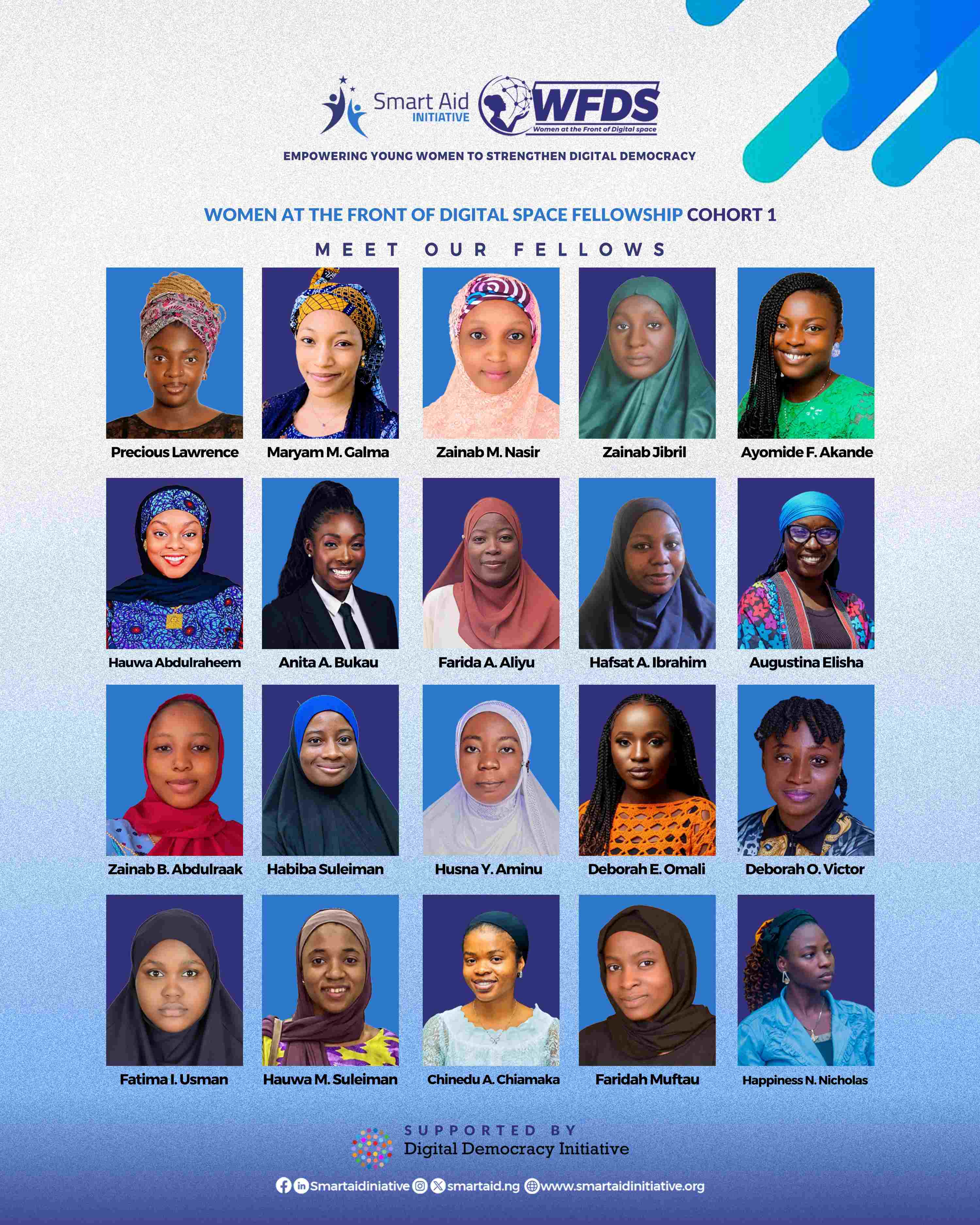
“This programme is centered on the reality young women experience in digital spaces,” says Hosea. “We are looking at digital democracy, online safety, digital rights, technology-facilitated gender-based violence, misinformation and fact-checking and digital advocacy.”
Although Nigeria’s younger population is very active in digital spaces, young women and girls remain underrepresented, trailing behind in basic information and communication technology skills. This not only excludes them from potential career opportunities in technology-focused sectors, but also leaves them more exposed to online safety risks, including harassment, scams and misinformation.
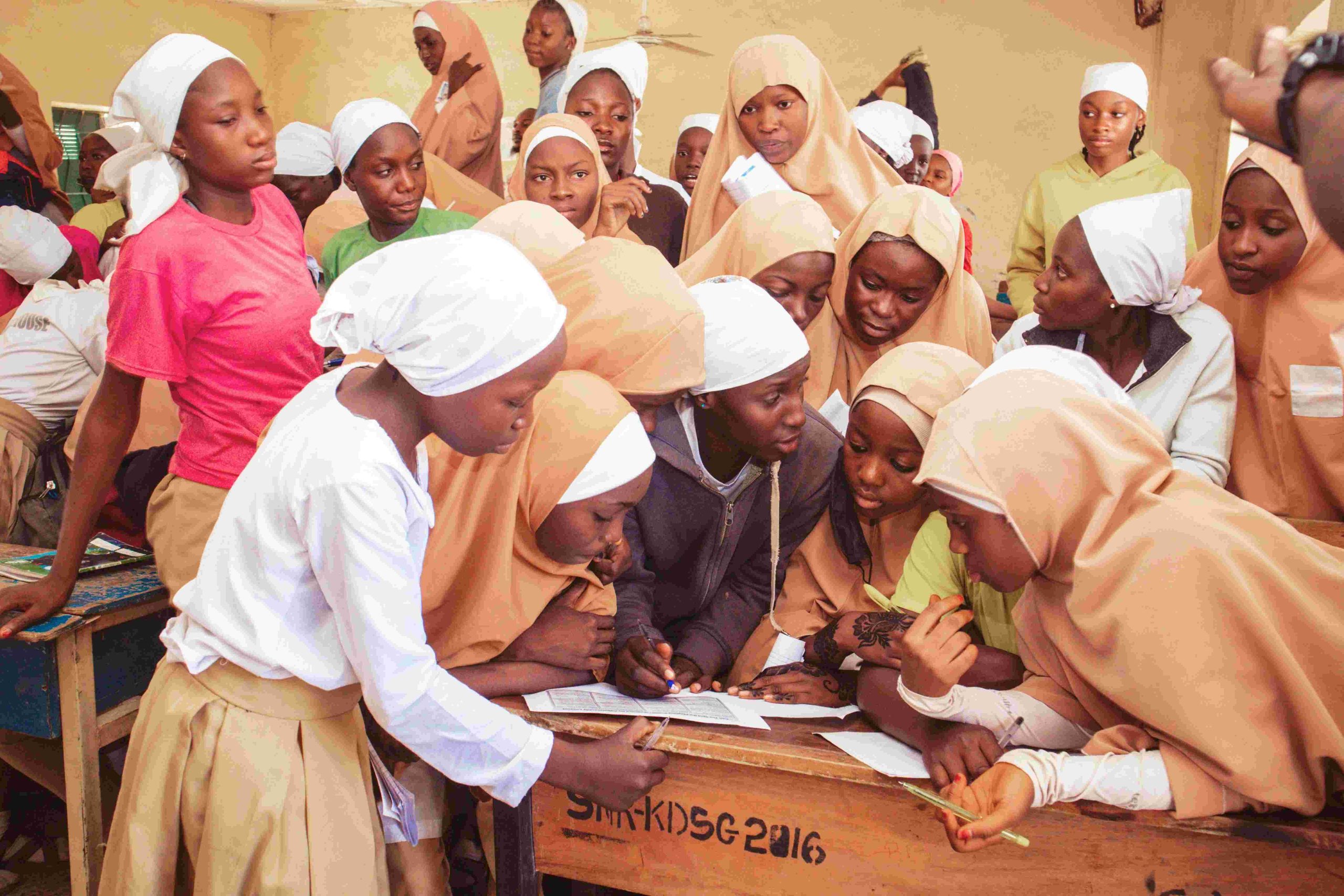
It is against this backdrop that SAI’s Women at the Front of Digital Space project is addressing a critical social issue by tackling it at the local level. In addition to the fellowship programme, SAI will produce a digital civic participation toolkit that will be made available for anyone to use.
“[DDISA] support has given us an opportunity to strengthen our programme design, connect with a wider network, receive guidance and technical support,” says Hosea. “I think more intentionally about how our work contributes to digital civic participation.”
According to Hosea, SAI hopes to extend the fellowship’s work to local schools, other community organisations and potentially to government. Fellows of the programme will also be able to amplify the knowledge and skills they acquired within their own communities, creating a broader network.
“Our vision is to build a community of young women who can support one another, share opportunities, respond to digital challenges and continue participating in civic spaces,” says Hosea.